The Inquisitive Mind of Neurodivergent Individuals

The Inquisitive Mind of Neurodivergent Individuals

I tell my kids all the time that everyone is free to make any choice they wish. Every single one. The world doesn’t stop you from choosing—what it does is hand you the consequence that comes after. And consequences aren’t always punishments; they’re simply results. Some are good, some are bad, and some are the kind you don’t quite know how to label yet. You can make the best possible choice with the best intentions and still land in a situation where someone feels offended, frustrated, or confused. You can walk across a parking lot to help a stranger pick up something they dropped and still be met with annoyance instead of appreciation. But I still tell my kids: That’s a good consequence. Because you did the right thing. You helped where others wouldn’t. You chose kindness, and kindness is never wasted.

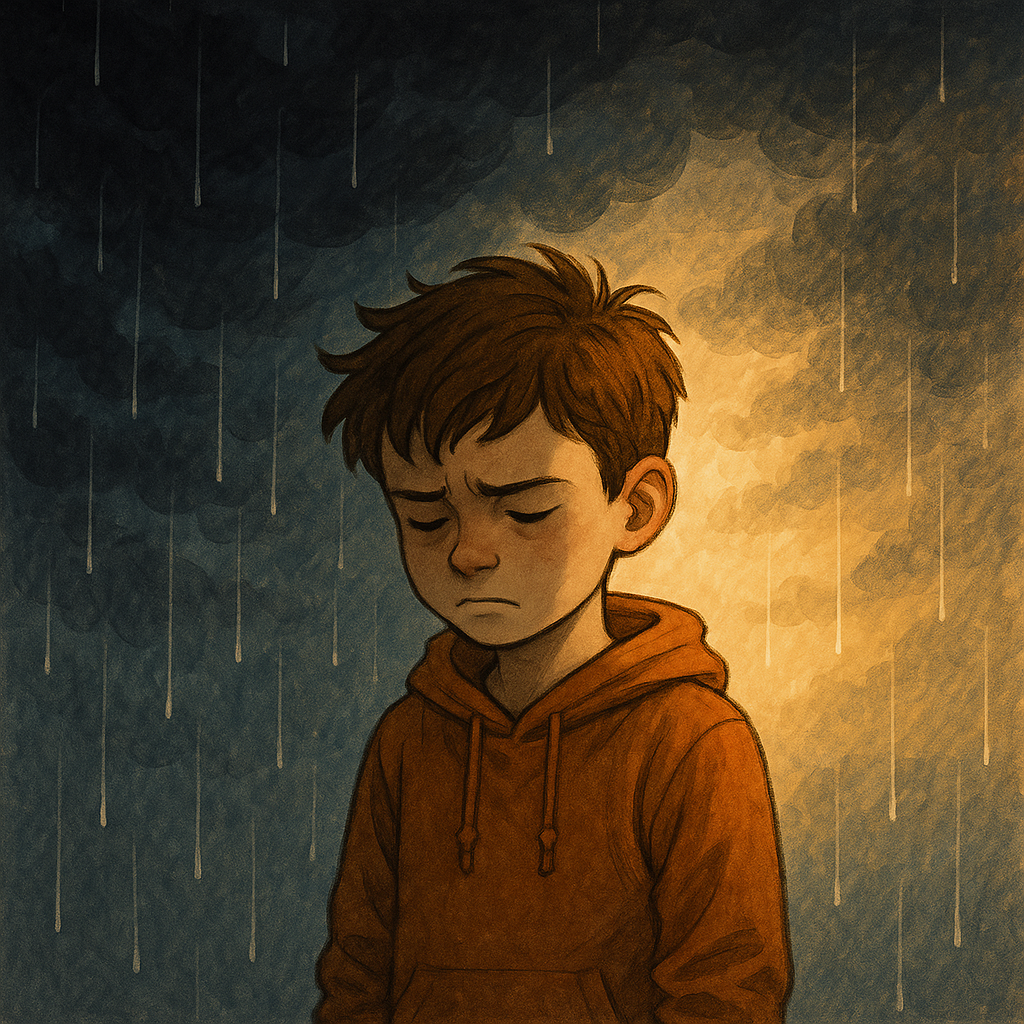
Now, in our world—our family world—this conversation takes on a different weight. Neurodivergent individuals often experience choices through a lens most people never even realize exists. Their minds don’t just wander; they investigate. They don’t simply react; they analyze. And they don’t accept surface-level reasoning merely because “that’s how people do it.” For them, every choice is part of a logic chain, a personal equation where intention and outcome are processed side-by-side with curiosity, precision, and sometimes blunt honesty.

This inquisitive mindset is one of the greatest gifts they have… but it can also create misunderstandings in a world that rarely takes the time to slow down and see the full picture.

When someone on the spectrum makes a choice, they often rationalize it in ways that make perfect sense to them. If they see a problem, they want to fix it. If they notice someone struggling, they want to help. If something appears inefficient, incorrect, or out of order, their instinct is to correct it. To them, that is the logical and compassionate response. It’s what should happen. But to others—especially neurotypical individuals who follow hidden social rules without ever consciously naming them—those same actions can be seen as intrusive, abrupt, or overly literal.

One of my kids might jump in to “help” with a task I didn’t ask for help with because, in their mind, it is inefficient to let someone struggle alone. Another might correct a statement someone makes because accuracy matters more than social comfort. Another might repeat a question until they receive clarity because uncertainty is far more uncomfortable to them than repetition is to the person answering.

To them, these are logical choices. To us, they sometimes look like interruptions, overreactions, or stubbornness.

So how do we bridge that gap?
How do we teach them that their logic isn’t wrong—it just needs context?
How do we help them understand the difference between helping and hindering without crushing their confidence or dimming their inquisitive spark?

We start with what they already understand: choices have consequences. But we expand that idea into something more nuanced.

In our home, I’ve learned that teaching cause and effect works best when it’s explained, not imposed. Saying “Don’t do that” never works nearly as well as sitting down and breaking apart the why behind the reaction. Neurodivergent minds thrive on clarity. They thrive on explanations that connect A to B to C in a way that feels fair and structured.

So instead of saying, “You shouldn’t correct someone like that,” we say:

“When you correct someone abruptly, even if you’re right, the other person might feel embarrassed. That embarrassment becomes part of the consequence. It doesn’t make your information wrong—it just means the timing and delivery changed the outcome.”

Or:

“When you rush to help someone who hasn’t asked for help, the consequence might be frustration on their part. Not because your intention was bad, but because they weren’t ready for support.”

Or my personal favorite:

“You can still do the right thing, but sometimes the right thing includes understanding what the other person needs—not just what you see.”

This approach gives them something solid to hold onto. It doesn’t punish their curiosity or their logic. It builds social understanding the same way you’d teach a math formula or a science concept: step by step, with examples and patterns they can recognize.

The truth is, many neurodivergent individuals navigate the world without the unspoken rulebook the rest of society relies on. They don’t guess social norms—they observe them, decode them, test them, revise them. And when something doesn’t make sense, they question it. Not out of defiance, but out of genuine curiosity.

That inquisitive mind is their strength. It’s the engine behind their creativity, their problem-solving, their honesty, and their unique view of the world. But like any powerful engine, it works best when guided—not controlled, not suppressed, but guided.

Our job as parents, caregivers, friends, and allies is to help them see that choices are not just about logic. They are about connection. They are about understanding how their actions ripple outward and how those ripples affect the people and environments around them. Not to limit them, but to empower them with a fuller picture—the one the rest of the world often takes for granted.

And as they learn this, something incredible happens. Their choices become not just logical, but insightful. Not just helpful, but empathetic. Not just inquisitive, but deeply aware.

That is the beauty of the neurodivergent mind.
It is curious.
It is analytical.
It is compassionate in its own structured, thoughtful way.

And when we take the time to teach—not correct, not shame, but teach—they not only understand the difference between helping and hindering… they thrive.

Because at the end of the day, their choices matter. Their minds matter. And the world is a far richer place because they don’t simply accept it as it is—they question it, explore it, and reshape it one curious thought at a time.

 

What to Do During a Total Breakdown

It will happen. Maybe not today, maybe not tomorrow—but one day, everything will collide at once. The stress, the overstimulation, the confusion, the inability to process what’s happening around them. It’s called a breakdown, and for many families of neurodivergent individuals, it’s one of the hardest experiences to face. There’s no “one size fits all” approach to these moments because every person, every situation, and every community’s resources are different. But there is one constant: you are not failing them by getting help.

When a total breakdown happens, emotions run high—both for them and for you. You may see your child or loved one screaming, crying, thrashing, or completely shutting down. You might see fear in their eyes, or you might see nothing at all—just a blank stare as they spiral inward. You might try talking calmly, but they can’t hear you. You might try holding them, but they push you away. It’s chaos wrapped in heartbreak.

In that moment, your first instinct might be to call someone—anyone—who can help. And that’s okay. The question many caregivers wrestle with is: Who do you call? Do you call the police? Do you rush to the ER? What if they end up in a psychiatric hold? What if you live in a small town where resources are miles—or hours—away?

Let’s start with the hardest truth: sometimes you have to make a decision that hurts in the moment but helps in the long run.


When to Call for Help

If your loved one is a danger to themselves or others—if they are breaking things, threatening harm, or completely out of control—it’s time to call for help. In urban areas, there are often crisis intervention teams trained specifically for neurodivergent or mental health crises. But in rural communities, that may not be the case.

If the only option you have is the local sheriff’s department, it’s still okay to call. However, when you do, make it clear from the start that this is a mental health crisis, not a criminal one. Use those exact words. Ask if they can send someone trained in crisis response or with de-escalation experience. You’re not calling because they did something wrong—you’re calling because they need help.

If there is time before things escalate too far, you can also reach out to crisis hotlines or mobile response units. Many states now have 988, the national mental health crisis line, which can connect you with trained counselors 24/7. They can help guide you through next steps—whether that’s waiting it out safely, bringing them to a facility, or arranging for someone to come evaluate them.


What to Expect if You Go to the ER

In some cases, going to the emergency room is the safest option. It’s not an easy choice, but it’s a responsible one. At the ER, the staff will likely call in a behavioral or mental health representative to assess the situation. If they determine that your loved one needs further care, they may issue what’s known as a 72-hour psychiatric hold.

Those three days can feel like an eternity. You’ll question yourself, you’ll cry, and you’ll probably feel like you failed. But here’s the truth: you didn’t fail them. You did exactly what a loving, responsible caregiver is supposed to do—you got them the help they needed when they couldn’t ask for it themselves.

These facilities—especially those with behavioral wards—are not prisons. They are controlled environments designed to help your loved one stabilize, rest, and receive professional care. The staff are trained to understand behavioral outbursts, medication needs, sensory sensitivities, and trauma responses. It’s not punishment—it’s support.

Even if that hospital is four hours away, it’s worth the drive. You’d drive that far if they broke their leg or had a high fever that wouldn’t go down. Their mental and emotional health deserves the same urgency.


The Rural Challenge

In rural areas, help can be limited. Sometimes the nearest behavioral health hospital is hours away, and local ERs might not have a behavioral ward at all. In those cases, they may connect you virtually with a psychiatric representative who will evaluate your loved one through a video call. It might feel strange—like you’re pleading your case through a screen—but this is becoming standard practice in many small hospitals.

Stay calm, explain the situation honestly, and don’t minimize what’s happening. The more information the representative has, the better they can make decisions about treatment and next steps. If they recommend transfer to another facility, ask for transportation options. Most hospitals can arrange medical transport if the distance is too far for you to drive safely.

Yes, it’s inconvenient. Yes, it’s scary. But remember: help is help, no matter how far away it is.


After the Breakdown

Once things calm down—whether at home or after a hospital visit—you’ll need to process what happened. They will too, in their own way and time. It’s important not to make them feel ashamed for losing control. They didn’t choose the breakdown—it happened because their world became too heavy to hold.

You can talk with the care team about what led up to the crisis. They can help you identify triggers, patterns, and coping strategies. Many facilities will connect you with outpatient resources, follow-up appointments, or therapy options. Use those connections.

And take care of yourself, too. These moments are draining beyond words. You may feel like you’re holding your breath through every second of it—and when it’s over, the exhaustion hits like a tidal wave. It’s okay to cry. It’s okay to step outside for air. It’s okay to need help for yourself as well. You’re human.


The Short and Skinny of It

A total breakdown is not the end of the world, even if it feels like it in the moment. It’s a sign that your loved one needs help—immediate, compassionate, professional help. Whether that comes from the ER, a crisis team, or a behavioral health facility, you are doing the right thing by seeking it.

Yes, it might mean driving four hours in the middle of the night. Yes, it might mean a 72-hour hold. But those are not signs of failure—they’re steps toward healing.

In the end, what matters most is that they are safe, you are safe, and help is on the way. That’s all anyone can ask for in those moments. You’re not alone. This is part of the journey—and you are doing the very best you can.

Perceived vs. Reality in Neurodivergent Individuals

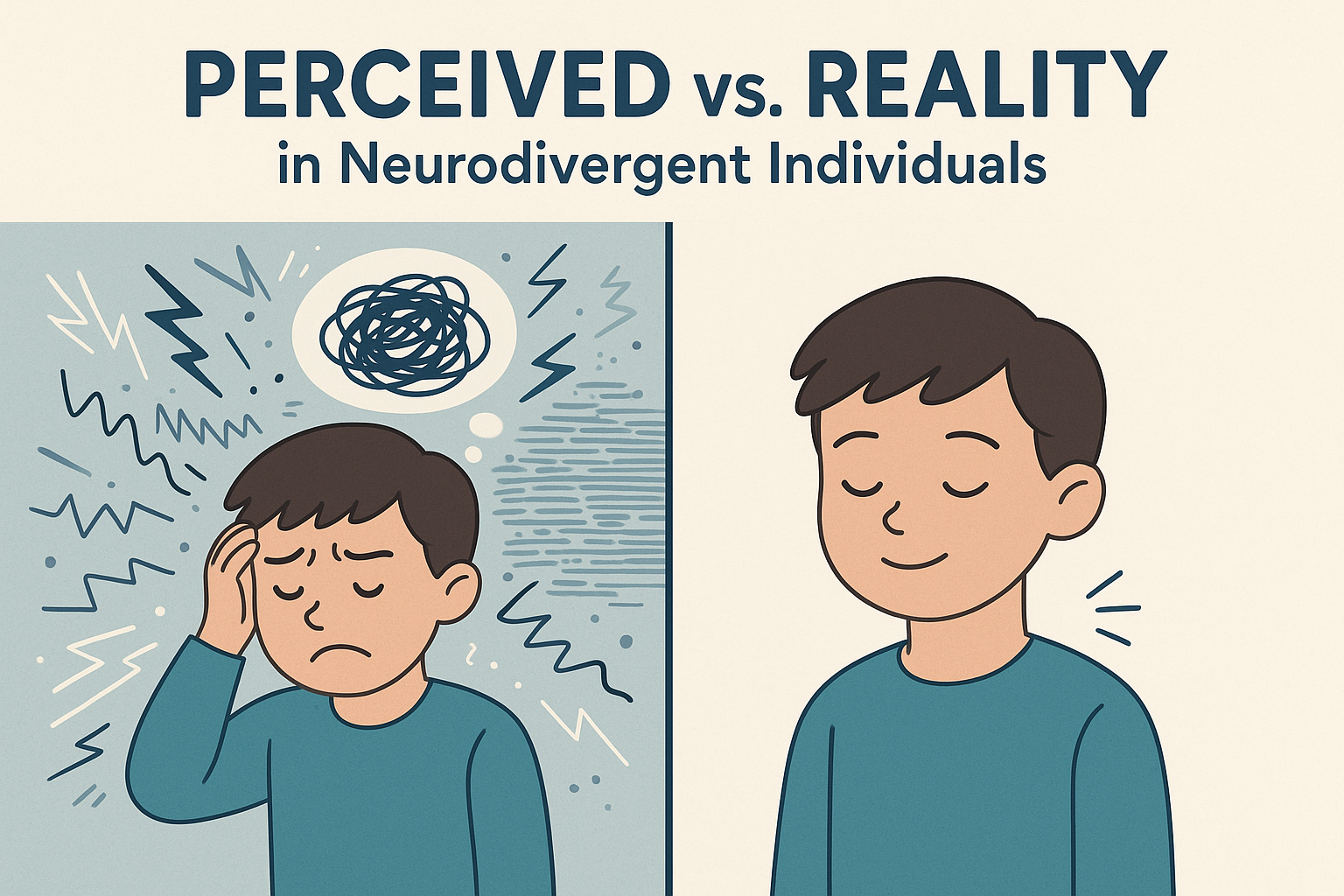
There’s a fine line between what is perceived and what is real, especially in the world of neurodivergence. For many neurodivergent individuals, their minds process information, emotions, and experiences through a lens that’s vastly different from the so-called “neurotypical” framework. What might seem insignificant to you or me can feel like a tidal wave to them. Likewise, something that would send most of us into a panic might barely register in their emotional field.

Let’s take a simple example—imagine that your child believes they’ve done something wrong. Perhaps no one has said a word, but a tone of voice, a sudden silence, or even a subtle facial expression sets their mind spinning. They begin to replay the moment, dissecting it in their head, each time adding new layers of “what if.” What if you’re mad? What if they’re in trouble? What if they disappointed you? Their perception becomes their reality, and that reality can trigger anxiety, overstimulation, and even emotional shutdown or outburst.

To us, from the outside looking in, nothing happened. But to them—everything happened.

That’s the complexity of perception in the neurodivergent mind. Their emotional radar doesn’t always calibrate with the external world. What is “real” is filtered through sensations, memories, and feelings that are sometimes amplified or distorted. Their inner world is a constant stream of data—sounds, lights, words, emotions—often all competing for attention at once. So when something seems off, even slightly, it doesn’t just brush by; it digs in, takes root, and grows into mental static that they can’t easily tune out.

Now, flip the script. Something truly wrong might occur—a harsh comment from a peer, an uncomfortable encounter, or even physical pain—and they brush it off like nothing happened. They might continue their day humming, stimming, or focusing on something they enjoy, giving the impression that all is well. Inside, though, their brain may have filed that event in a hidden compartment, one that won’t open until days or weeks later when it suddenly resurfaces as an emotional storm seemingly “out of nowhere.”

That’s the paradox: sometimes their perception amplifies the small things, and sometimes it dulls the big ones. The key lies in learning how to navigate both.

Navigating the Divide

As caregivers, parents, or teachers, our role isn’t to correct their perception—it’s to understand it. That means validating their feelings even when we don’t see the cause. Saying, “I understand that feels wrong to you,” is often more effective than trying to explain that it isn’t. Validation creates safety, and safety is what helps them regulate.

At the same time, helping them bridge the gap between perception and reality is a lifelong learning process. One simple strategy is reflection: guiding them to step outside of the moment. For example, when they believe something is wrong, ask gentle questions:

  • “Can you tell me what makes you feel that way?”
  • “What do you think happened?”
  • “If we look at what really happened, does it still feel the same?”

The goal isn’t to prove them wrong—it’s to help them recognize how their mind interprets the world and to slowly build awareness of the differences between perception and reality.

Visual aids can help, too. For some individuals, seeing emotions and scenarios drawn out or color-coded brings clarity. Others benefit from a “pause plan”—a structured way to take a break when they feel overwhelmed. Maybe it’s going to their room, squeezing a stress ball, or listening to calming music. When perception floods the senses, having an automatic response helps break the cycle before it leads to overstimulation or a meltdown.

The Caregiver’s Challenge

Now, the short and skinny of it—this is going to happen. No matter how patient, loving, or experienced you are, these moments will come. There will be days when you can’t tell what’s real or what’s perceived, and you’ll find yourself walking that fine line right alongside them. You’ll question whether you handled it right, whether you missed something important, or whether you made it worse by trying to help.

Don’t let that self-doubt take root. You’re doing the right thing.

Caring for someone neurodivergent means accepting that clarity doesn’t always come instantly. You might spend hours navigating through emotions that don’t seem logical, trying to apply reasoning to a world that doesn’t always run on reason. It’s stressful, especially when layered with the ever-shifting maze of school policies, therapy recommendations, legal rights, and medical guidance that seem to change by the week. Sometimes it feels like you need a degree just to keep up—and still, nothing prepares you for the emotional exhaustion that comes from simply wanting to do right by them.

But here’s the truth: showing up, listening, and trying matters more than perfection. Even when they don’t respond, even when they lash out, they know you’re there. That consistency—the calm presence—is what eventually helps them differentiate between what they feel and what is.

Finding the Balance

There’s beauty in how neurodivergent minds experience the world. Yes, the perception-versus-reality struggle can be hard, but it’s also what gives them their unique perspective, creativity, and depth. The same mind that perceives a harmless glance as disapproval can also perceive music as colors, or laughter as energy, or love as something so pure it transcends logic.

Our goal isn’t to “fix” their perception—it’s to help them live peacefully within it. To teach coping, self-reflection, and self-understanding without stripping away the essence of how they see the world.

As caregivers, we must learn to slow down, breathe, and remember that progress doesn’t always look like progress. Some days will be victories measured in moments—a calm transition, a shared laugh, or even a meltdown that ended sooner than last time. Each of those moments matters.

In the end, perception is part of reality. Their truth, though different from ours, is still truth to them. The task is to guide them gently toward balance—helping them see that the world isn’t always against them, that sometimes the fear they feel isn’t real, and that sometimes, what they think is nothing, really does need attention.

It’s an ongoing journey, not a destination. But if you’re walking that path with patience, love, and an open heart, then rest assured—you’re doing exactly what they need.

“Patience in the Pause”

(A reflection on learning to wait, listen, and understand in moments of silence and confusion when raising or working with neurodivergent individuals.)

There is a moment — that fleeting second between action and understanding — where everything either falls apart or falls into place. For most families, this pause may feel insignificant: a child takes too long to respond, a question goes unanswered, or an emotion surfaces in a way that seems out of sync with the world around it. But for those of us raising or working with neurodivergent individuals, that pause holds everything. It’s where growth happens. It’s where love learns patience.

Every neurodivergent child, and even adult, experiences the world at their own tempo. Some move faster in thought but slower in expression. Others live in a world so vivid that reality feels like static interference they must tune out just to function. For parents and caregivers, this difference in pace can feel like a test of endurance — an emotional marathon of waiting, repeating, reassuring, and relearning what communication really means.

I’ve often found myself standing in that uncomfortable space — the pause. My son may be trying to find the words for what he feels but can’t express. My daughter may be processing a change I didn’t even think was significant. And there I stand, tempted to rush in, to fill the silence, to fix the discomfort. But over the years, I’ve realized that patience isn’t just waiting — it’s trusting the process of the pause. It’s believing that they will get there, in their own time.

That pause is where understanding begins.

We, as neurotypical caregivers or parents, are conditioned to respond to speed. Society measures progress by output — how quickly a child learns, how fast they respond, how soon they reach “normal” milestones. But neurodivergent minds don’t measure growth in the same way. Their victories are quieter, often invisible at first, and sometimes even misunderstood. What looks like avoidance may be internal processing. What seems like defiance may be self-preservation. What we interpret as silence may, in fact, be the loudest moment of thought they’ve had all day.

Patience, then, becomes more than a virtue — it becomes a lifeline.

When we learn to wait, truly wait, something beautiful happens. We begin to notice the subtle cues — the shift of an eye, the soft hum that signals comfort, the small gesture that means “I’m trying.” These are their languages. And just as we wouldn’t rush someone learning to speak a foreign tongue, we mustn’t rush them learning to express in their own. They are not broken. They are translating life in real time.

I remember one night sitting quietly beside my nonverbal son. He was lining up toys in perfect rows, something he does when he’s overwhelmed. My instinct was to redirect him, to encourage “play” the way I understood it. But I stopped myself. Instead, I just watched. There was a rhythm to it — a story unfolding through placement and color. That was his peace, his control in a world that often feels unpredictable. My patience, my silence, allowed me to see his world through his eyes. And in that moment, he looked up, smiled, and handed me a toy. It was his way of saying, “You understand.” That one gesture meant more than a thousand spoken words.

Patience teaches us to listen without needing to respond. It teaches us that not every situation requires correction, and not every silence needs filling. Sometimes the most healing thing we can do is be there — present, calm, and consistent. Because when they look back at us in confusion or fear, they’re not seeking solutions; they’re seeking reassurance that they’re safe to just be.

But patience doesn’t come easy. It demands humility — the acceptance that we don’t always have the answers, that progress might not look the way we imagined. It requires us to unlearn the urge to “fix” and instead lean into the art of “accepting.” And acceptance, when paired with patience, becomes the soil where trust grows.

There will always be days when patience feels impossible. When meltdowns erupt over things we can’t predict or control. When the world’s noise collides with their sensory overload, and we’re standing there trying to bridge two realities that don’t quite align. In those moments, remind yourself: this is not a failure. This is a pause. A moment between chaos and calm where your steadiness can guide them home.

Patience is the heartbeat of understanding. It’s what turns frustration into empathy, exhaustion into endurance, and confusion into compassion. When we embrace patience — not just as a behavior, but as a mindset — we open the door to a deeper kind of love. One that doesn’t demand change but celebrates connection.

So, the next time you find yourself in that pause — between question and response, between emotion and explanation — don’t rush it. Breathe. Wait. Watch. Trust that something beautiful is unfolding, even if you can’t see it yet.

Because sometimes, the most profound moments of growth don’t happen in the noise of doing…
They happen in the quiet grace of waiting.

Understanding the Line Between Choice and Overwhelm

Punishment. It’s one of those words that sends a shiver down any parent’s spine—especially when it comes to raising a neurodivergent child. It’s not about fear or anger, but about uncertainty. What do you do when your child, who has the cognitive ability to understand right from wrong, suddenly lashes out, says something hurtful, or does something destructive—then later, with tears in his eyes, says he’s sorry?

This is something I wrestle with often, particularly with my son. He’s bright—brilliant even. He can hold conversations, build things, and even teach me things at times. But there are moments when it’s as if a switch flips inside him. One minute, he’s calm and reasoning; the next, it’s as though the floodgates have burst open. The emotions come rushing out faster than his brain can sort them. Logic disappears, replaced by pure reaction—sometimes anger, sometimes fear, sometimes chaos. Then, hours later, he’ll sit quietly and apologize, almost confused by his own behavior.

It always leaves me asking the same question: Did he really understand what he was doing, or was he lost in the storm of his own mind?

The Dual Reality of Cognition and Emotion

Neurodivergent children who possess cognitive awareness often live between two worlds. In one, they have the intelligence and reasoning skills to process consequences, rules, and empathy. In the other, their emotional regulation and sensory processing systems can betray them in an instant. When they become overstimulated, their brain shifts gears. Rational thought—the part that weighs right and wrong—can get hijacked by the limbic system, the brain’s emotional command center.

This is why punishment, in the traditional sense, rarely works. It assumes the child chose to misbehave with full understanding and control. But what if, in that moment, their control simply vanished?

That’s where the line becomes blurred—and where our role as parents shifts from disciplinarians to detectives.

The Detective Approach: Understanding the “Why” Behind the Behavior

When my son has an outburst, the immediate question is not What did he do? but Why did it happen?
Here are a few techniques I’ve learned to help distinguish between conscious choice and cognitive overload:

  1. Observe the Triggers
    Keep a simple mental or written log of what was happening before the behavior occurred. Was there loud noise? Was he hungry, tired, or anxious? Did something unexpected disrupt his routine? Patterns often emerge that point toward sensory or emotional overload rather than willful misbehavior.
  2. Gauge the Reaction After the Incident
    If your child shows genuine remorse, confusion, or exhaustion after an outburst, that’s often a sign that they weren’t acting with full awareness. True defiance typically lacks remorse—it comes with justification or even satisfaction. The child who regrets what happened often didn’t have control at the time.
  3. Assess the Consistency of the Behavior
    If the same behavior keeps happening in similar situations despite repeated guidance, it may be less about intent and more about inability. Neurodivergent children often know what they should do but can’t access that knowledge when overwhelmed.
  4. Engage in Calm Reflection Time
    After the storm passes, talk—but only when everyone is calm. I sit with my son, sometimes in silence first, and then we go over what happened. I ask gentle questions like, “What were you feeling before that happened?” or “Did it feel like you couldn’t stop it?” His answers give me insight into how much control he had in the moment.

Rehabilitative Measures Over Punishment

Punishment, by nature, focuses on consequences. But rehabilitation focuses on growth—and that’s where true change happens. Here are a few approaches that have helped bridge the gap between understanding and self-control:

  • Reflective Discussion Instead of Time-Outs
    Instead of sending him to his room, I’ll sit beside him and talk about what went wrong once he’s calm. We walk through the emotions, not just the actions. “What could you have done differently?” or “What can we try next time you feel this way?”
  • Sensory Reset Zones
    We’ve created a quiet area—a kind of emotional “cooling station.” When he feels overwhelmed, he can go there voluntarily. It’s not a punishment zone; it’s a safe zone. Soft lighting, a blanket, noise-canceling headphones—it’s amazing what a sensory break can do.
  • Natural Consequences Over Imposed Ones
    If he breaks something, the consequence is helping fix it or replace it. This builds accountability without shame. It teaches that actions have effects while still honoring his emotional struggles.
  • Reward Reflection, Not Just Behavior
    When he takes ownership of his actions or expresses awareness of his feelings, I praise that heavily. “I’m proud of you for realizing that,” carries more long-term impact than “Don’t do that again.”

Recognizing When They Truly Do Know

Of course, there are times when our children absolutely do know what they’re doing. They’re testing boundaries, seeking control, or even mimicking behaviors they’ve seen. When that’s the case, gentle but firm boundaries are essential.

The key difference is intent. If your child looks you in the eye, argues, and doubles down—fully aware of your expectations—that’s a learning opportunity. In those moments, appropriate consequences (loss of privileges, extra chores, etc.) are not just fair but necessary. The trick is to keep them connected to the action: “You chose to throw your toy, so now we need to earn it back by showing you can handle it.”

Even then, the goal isn’t punishment—it’s guidance. It’s about helping them connect the dots between choice and consequence in a way that feels safe and constructive.

The Afterthoughts of the Heart

Later, when my son apologizes, there’s a heaviness in his tone that breaks me a little each time. It’s not manipulation—it’s remorse. That’s when I know the teaching moment has to be about empathy, not discipline. Because deep down, I don’t want him to fear punishment; I want him to understand himself.

There’s a profound truth I’ve learned through this journey: understanding always outlasts punishment. One builds trust, the other builds walls.

So, when he has his “moments,” I take a deep breath, remind myself that growth is not linear, and meet him where he is. Because the goal isn’t perfection—it’s progress. And sometimes progress looks like recognizing when the storm inside them isn’t defiance, but simply a mind and heart overwhelmed by the world.

The Emotional Weight of Neurodivergence

Emotions are powerful things. For most of us, we learn to regulate them as we grow. We recognize that while fear, worry, and grief have their place, they don’t need to take over every waking moment. For neurodivergent individuals, however, emotions don’t always follow that same path. They can be bigger, heavier, and all-consuming. What feels like a passing concern for one person may be an overwhelming storm for another.

This truth came into sharp focus for our family recently.

My youngest son’s grandfather was bitten by a spider. At first, it didn’t seem like anything unusual, but after some time the bite wouldn’t heal. The hand began to swell, and eventually, the doctors determined it was becoming septic. Surgery was required, followed by several days in the hospital to ensure the infection didn’t spread further.

For most people, the response would be measured: concern, yes, but with the understanding that the doctors had things under control. For my son, though, this was not something he could just sit with. The word “septic” became a trigger. It carried connotations of death, decay, and danger. In his mind, it didn’t matter that the doctors said his grandfather was stable—it didn’t matter that the procedure was routine—he needed to be there. Not just near the hospital. Not just in the waiting room. He needed to be beside his grandfather every step of the way. He asked about updates every five minutes, sometimes more, as if missing one detail could mean losing someone he loves.

The stress became all-encompassing. His schoolwork? Forgotten. Meals? Barely touched. Hobbies that usually kept him engaged? Pushed aside. His entire thought process narrowed to one point: “What is happening with Grandpa?”

This is something that happens often with neurodivergent individuals. Their emotions don’t just rise and fall—they engulf. Logic, routine, even comfort from loved ones may not break through when their mind locks on to a crisis. And while it might seem “over the top” to outsiders, to them it is very real, very urgent, and very debilitating.

As parents, this creates a challenge. On one hand, we want to support their emotional expression. They care deeply, and that compassion is a strength. On the other hand, when those emotions spiral so far that they shut down everything else, we need to find ways to bring balance.

One of the first lessons we’ve learned is to pay attention to language. Words like “septic” or “infection” may seem clinical and straightforward to adults, but to a child on the spectrum, those words can carry frightening weight. They attach vivid, sometimes catastrophic meanings to them, and that one word can set off days of worry. This doesn’t mean we hide the truth, but it does mean we must choose our words carefully. “The doctors are helping Grandpa’s hand heal” carries a very different impact than “his hand is septic.”

It’s also important to recognize when emotions have crossed from caring into debilitating. In our son’s case, checking in every few minutes wasn’t about gathering information—it was about trying to manage an anxiety he couldn’t regulate. That level of stress meant he couldn’t engage in anything else, shutting down his usual coping strategies.

So what do we do as parents when this happens?

First, we acknowledge. Pretending nothing is wrong or dismissing his feelings with “Don’t worry, he’ll be fine” doesn’t help. He knows something serious is happening, and his mind won’t let go of it. Acknowledgment lets him know we see and hear his concerns.

Second, we redirect gently. This doesn’t mean forcing him to stop asking questions, but rather helping him find outlets to release that anxiety. Sometimes it’s drawing how he feels. Sometimes it’s writing a letter to his grandfather. Sometimes it’s sitting together and creating a “worry box” where he can place notes about his fears, symbolically setting them down for a while.

Third, we maintain routine where we can. Routine is often the anchor that keeps neurodivergent individuals grounded. Even when they can’t stop worrying, keeping bedtime consistent, meals predictable, or a favorite activity available gives them touchpoints of stability in the storm.

Lastly, we remind ourselves—and him—that caring so deeply is not a flaw. It’s a part of who he is. The world often tells neurodivergent individuals that they are “too much”—too sensitive, too intense, too reactive. But that depth of emotion is also what makes them empathetic, creative, and uniquely connected to those around them. Our job is not to strip that away but to help guide it so it doesn’t consume them.

Watching my son cycle through such intense worry over his grandfather reminded me of how differently neurodivergent minds process stress. To me, the situation was concerning, but manageable. To him, it was the only thing that mattered. His love and worry consumed every part of his thought process until it left no room for anything else.

As parents, we can’t always prevent that flood of emotions. What we can do is walk beside our children through it. We can choose words with care. We can help them build tools to release their fears. We can provide anchors of routine. And most importantly, we can remind them that their big emotions come from a place of love—a love that is fierce, loyal, and unshakable.

That love may overwhelm at times, but it is also a gift. It means when our children care, they care fully. And even in the hardest moments, that depth of emotion is something worth cherishing.

Love, Laugh, and Autism: Finding Joy in Controlled Chaos

Life with autistic children often feels like an ever-changing mixture of laughter, surprises, challenges, and what I like to call “controlled chaos.” People sometimes look at me with wide eyes when they learn I have four autistic children. They shake their heads and say, “Oh, I could never be the parent of a special needs child.” I usually respond the same way: “Yes, you could.”

The truth is, parenting children on the spectrum isn’t something you prepare for with a manual or a step-by-step guide. You learn as you go. You adapt. You grow. And while it’s not always fun and games, it’s certainly not all struggle either. Autism is both exhausting and exhilarating, frustrating and funny, challenging and rewarding—all rolled together into the reality of family life.

Small Victories Are Big Wins

One of the things I wish more people understood is how the smallest victories in an autistic household feel like monumental celebrations. A word spoken for the first time. A spontaneous hug. A new food willingly tried. These moments may look simple to the outside world, but to us, they are milestones that bring tears of joy.

When we first welcomed Samantha, we were told she’d likely need a feeding tube for a long time. Doctors cautioned us that eating by mouth might not be in her future. Yet just three months later, she shocked everyone—she was eating everything in sight! That moment wasn’t just about food; it was about resilience, hope, and proving that predictions don’t define outcomes.

Then there’s David. We were told he might never truly talk—that he would only mimic what he heard. But at twelve years old, he surprised us again. He recited his ABCs out loud, all by himself. That first unprompted string of letters wasn’t just the alphabet; it was a testament to his determination and a reminder that progress often comes when you least expect it.

These are the moments that make the long days and sleepless nights worthwhile. The joy is magnified precisely because the journey to get there isn’t easy.

Controlled Chaos, Uncontrollable Love

Make no mistake: autism parenting isn’t a neat, orderly process. It’s messy. It’s loud. It’s unpredictable. One day you might feel like you’re juggling flaming swords blindfolded, and the next you’re basking in the glow of a child’s unexpected accomplishment. That’s why I describe it as controlled chaos.

Some days I cringe when strangers say things like, “I could never do what you do.” Not because I’m offended, but because I know the truth: love makes you capable of things you never imagined. You don’t sign up for the challenges, but you rise to meet them because your children need you to. And along the way, you discover strengths you didn’t even know you had.

Humor as a Survival Tool

Humor is one of the greatest tools we have. Sometimes you have to laugh to keep from crying, and sometimes the laughter is genuine because kids—autistic or not—are just funny. The things they say, the logic they use, the way they interpret the world—it’s endlessly entertaining and often enlightening.

Autism brings unique quirks into daily life that might frustrate outsiders but give us stories we’ll retell for years. Like the time one of the kids insisted on wearing mismatched shoes to the grocery store. Or the countless debates over why video game cartridges are “better” than downloadable versions. These moments can be exhausting, but they also highlight the individuality and creativity that autism brings into our home.

What I Want People to Know

If you take nothing else away, I hope you understand this: autism is not a tragedy. It’s not something to be pitied. It’s a different way of experiencing the world, and while it comes with challenges, it also brings immeasurable joy. Our children may not follow the timelines or expectations society sets, but when they reach their milestones—big or small—it feels like fireworks going off in our hearts.

Yes, parenting autistic children is hard. But it’s also filled with love, laughter, and victories that are sweeter because they’re hard-won. Every day is a mix of struggle and celebration, but together it paints a beautiful picture of resilience, growth, and unconditional love.

Why I Wrote Love, Laugh, and Autism

I wrote Love, Laugh, and Autism because I wanted to share that picture with the world. I wanted other parents—especially those who are just starting their autism journey—to know they’re not alone. And I wanted people outside the autism community to see beyond the stereotypes and glimpse the beauty of our lives.

This book isn’t a clinical guide or a step-by-step parenting manual. It’s a window into our world—our stories, our struggles, our laughter, and our triumphs. It’s real, raw, and filled with the kind of moments that make life meaningful.

A Call to Action

If you’ve ever wondered what it’s really like to raise autistic children—or if you’re walking this journey yourself and need encouragement—I invite you to check out Love, Laugh, and Autism. It’s a book about hope, humor, and the beauty of embracing life’s unpredictability.

👉 Grab your copy of Love, Laugh, and Autism here

Whether you’re a parent, a family member, a teacher, or simply someone who wants to understand autism from the inside, this book is for you. My hope is that it will inspire you, make you smile, and maybe even help you laugh through the chaos. Because at the end of the day, autism isn’t just part of our lives—it is our lives. And our lives are filled with love, laughter, and joy worth sharing.

Autism: When the Fear of Rejection Outweighs the Fear of Lying

Rejection is one of the most powerful forces a person can feel. For individuals on the autism spectrum, the fear of being excluded, dismissed, or misunderstood can sometimes overshadow everything else—even honesty.

It’s not that autistic individuals don’t value truth. In fact, many are famous for their blunt, refreshing honesty. But when the pressure of fitting in collides with the worry of not being accepted, a small untruth might slip through—not out of malice, but out of protection. It’s like a shield, a way to keep the door of connection from slamming shut.


A Story From Home: The Blue Tongue Mystery

Not long ago, my daughter walked into the room with unmistakable evidence written all over her face—or rather, her lips and tongue. They were bright blue. Obviously, she had eaten something colorful (candy being the prime suspect).

Naturally, we asked the question every parent asks:
“Did you eat something?”

She swore up and down that she hadn’t.

We tried again.
“Are you lying?”

Her response was a firm and confident, “No.”

The candy stains didn’t lie, though. Thirty minutes later, after gentle persistence, she finally admitted she had eaten candy.

At first, it might seem like a typical kid fibbing to avoid trouble. But when we dig deeper, something unique emerges: Was her fear of us saying “no” if she asked for candy in the first place stronger than her fear of getting caught in a lie afterward?

For many children with autism, the answer is yes.


The Heart of the Matter: Belonging vs. Honesty

In this moment, my daughter wasn’t trying to deceive for fun or gain. She wasn’t testing boundaries in a mischievous way. Instead, she was navigating two very real fears:

  1. The fear of rejection. Asking and being told “no” could feel like exclusion or loss. To her, that’s not just about missing out on candy—it’s about being denied something that matters, which can feel deeply personal.
  2. The fear of lying. She knows lying isn’t “good.” But compared to the sting of rejection, this fear was easier to override.

When stacked side by side, the balance tipped toward protecting herself from the potential pain of rejection. Even if it meant bending the truth.

This is a powerful insight into how autistic individuals often view the world. What might seem like a small lie to us is actually a coping mechanism, a way of preserving a fragile sense of belonging.


Why This Matters

It’s easy to label this kind of situation as “dishonesty.” But when we step back and look at it through the lens of autism, we see something more:

  • A deep longing to connect.
  • A fear of being denied or excluded.
  • A nervous system wired to protect itself from emotional discomfort.

In fact, many autistic individuals use these little “camouflage strategies” every day. A child might say they like a toy because their peers do. An adult might laugh at a joke they don’t get. These aren’t calculated lies; they are acts of self-preservation in a world that can often feel overwhelming or unwelcoming.


The Unique Beauty in This

Here’s the part I find beautiful: autism doesn’t thrive in masks—it shines in authenticity. The quirks, the preferences, the passions—all of it is part of what makes an autistic person uniquely brilliant.

When we, as parents, caregivers, or friends, create spaces of safety and acceptance, we reduce the need for these protective fibs. Over time, honesty blossoms because the fear of rejection fades.

My daughter’s blue tongue wasn’t just a sign of candy; it was a reminder of her courage. Even though she fibbed at first, she eventually admitted the truth. That’s not failure—it’s growth. It’s proof that when she feels secure enough, she chooses honesty. And that’s something worth celebrating.


What We Can Do

As parents and allies, our role is not to punish the fib but to understand the fear driving it. Here are a few things that help:

  • Normalize asking. Reinforce that it’s okay to ask for something, even if the answer might be “no.” A “no” doesn’t mean rejection—it just means not right now.
  • Separate the action from the person. Say, “Lying isn’t okay, but you are always loved.” This reminds them that rejection isn’t tied to their worth.
  • Celebrate honesty—even delayed honesty. When the truth finally comes out, highlight the courage it took to say it. That reinforces honesty as safe.
  • Model vulnerability. Share times when you’ve been afraid to tell the truth and how you overcame it. This shows them they’re not alone.

Final Thoughts

The blue tongue moment wasn’t about candy. It was about fear, trust, and belonging. For autistic individuals, the fear of rejection can sometimes outweigh the fear of lying. But with patience, empathy, and acceptance, we can help shift that balance.

Because at the end of the day, the greatest gift we can offer anyone—autistic or not—is the freedom to be exactly who they are, without fear of rejection. And in that freedom, honesty isn’t something to be feared—it becomes something to be embraced.